
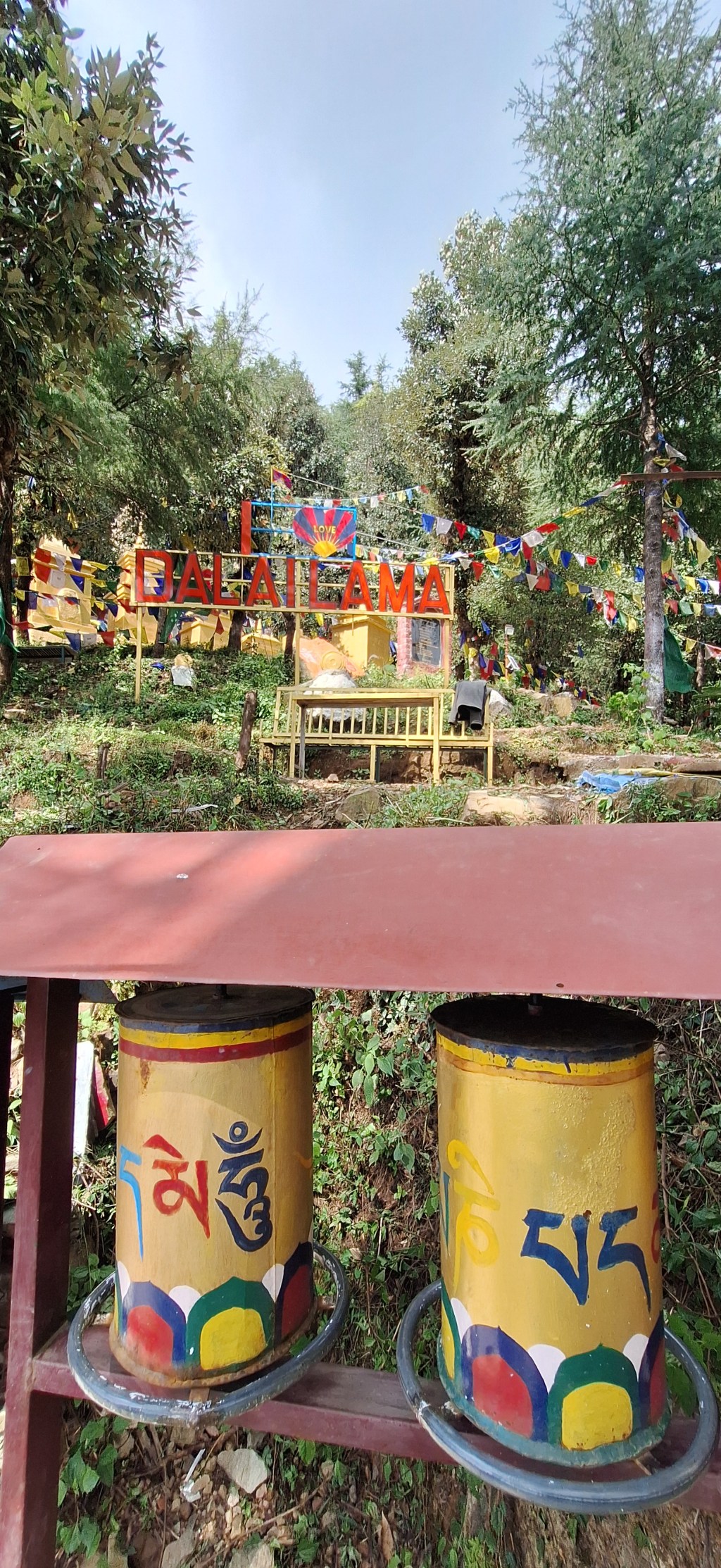
Since the Dalai Lama lives in Dharamshala/Mcleod Ganj this is where the largest number of Tibetans in exile reside, along with the institutions for Tibetans in exile that are responsible for preserving and nurturing the Tibetan language, culture and religion. When the Chinese army occupied Tibet in 1959, the Dalai Lama, then both the political and religious leader, managed to escape and was granted asylum in India.
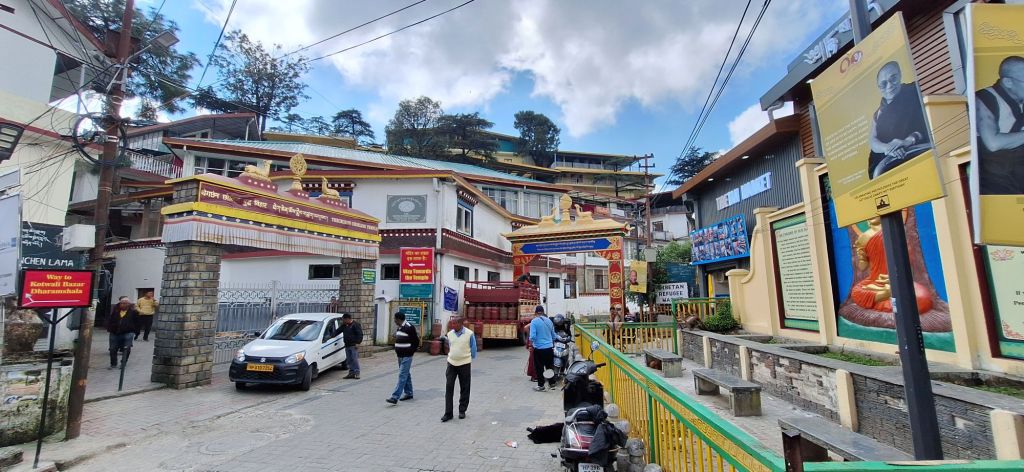
In Europe this isn’t really taught in schools – at least it wasn’t part of my curriculum – that while countries in Eastern Europe were being liberated from Soviet control and Western colonial powers were relinquishing their colonies around the world (e.g., Sri Lanka from British rule, Vietnam from French rule, Indonesia from Dutch rule, etc.), China, as a socialist empire was actually expanding and among other territories, it annexed Tibet. That marked the beginning of the oppression of Tibetans which the Dalai Lama has been fighting against with all his strength: even now, at the age of 90. Throughout his life he has written many books; the latest “Voice for the Voiceless” was published in 2025 and details everything extensively.
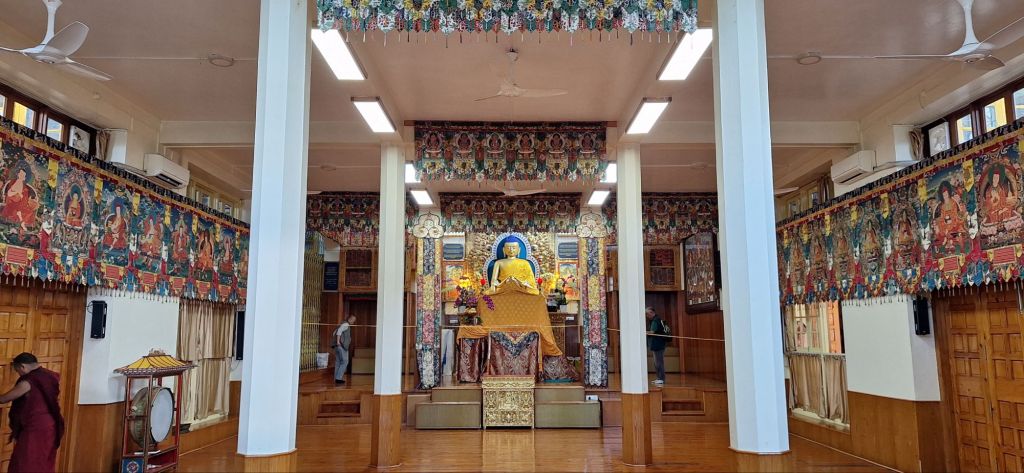
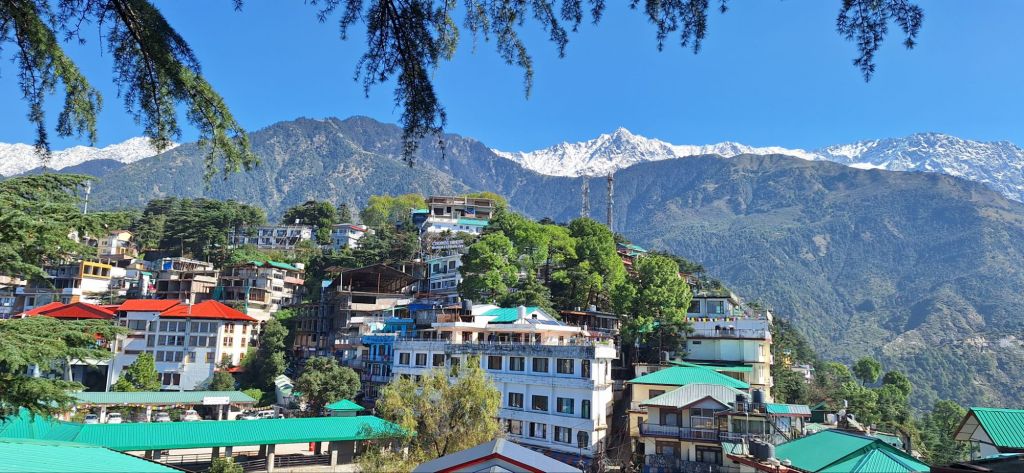
It was incredibly interesting for me to hear and read about Tibetan history and the past 70 years right here, locally. It felt like a living history class especially because I met and spoke with several Tibetans personally about how they fled their homeland across the harsh terrain of the Himalayas in search of a better life. They left behind family members who still live under oppression as part of China, enduring cruelty.
Unfortunately I recognize many similar threads in the communist and socialist movements that took place in Europe.
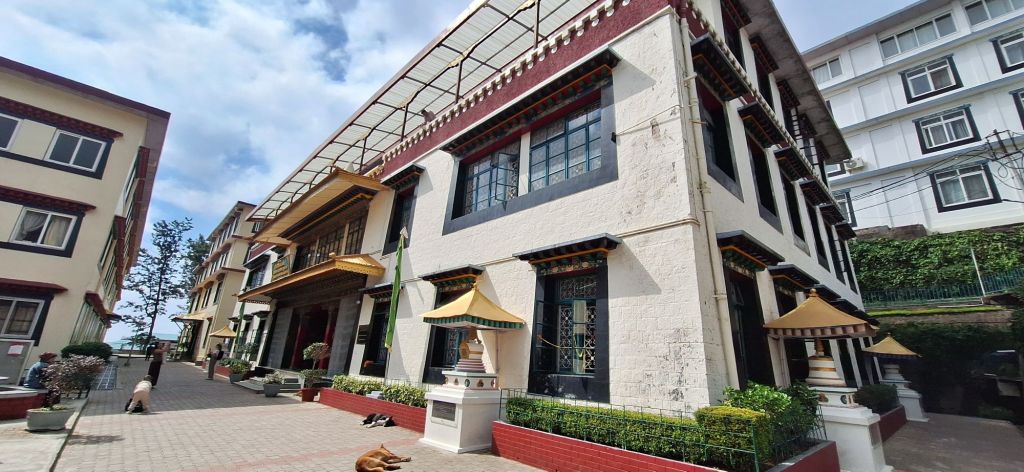
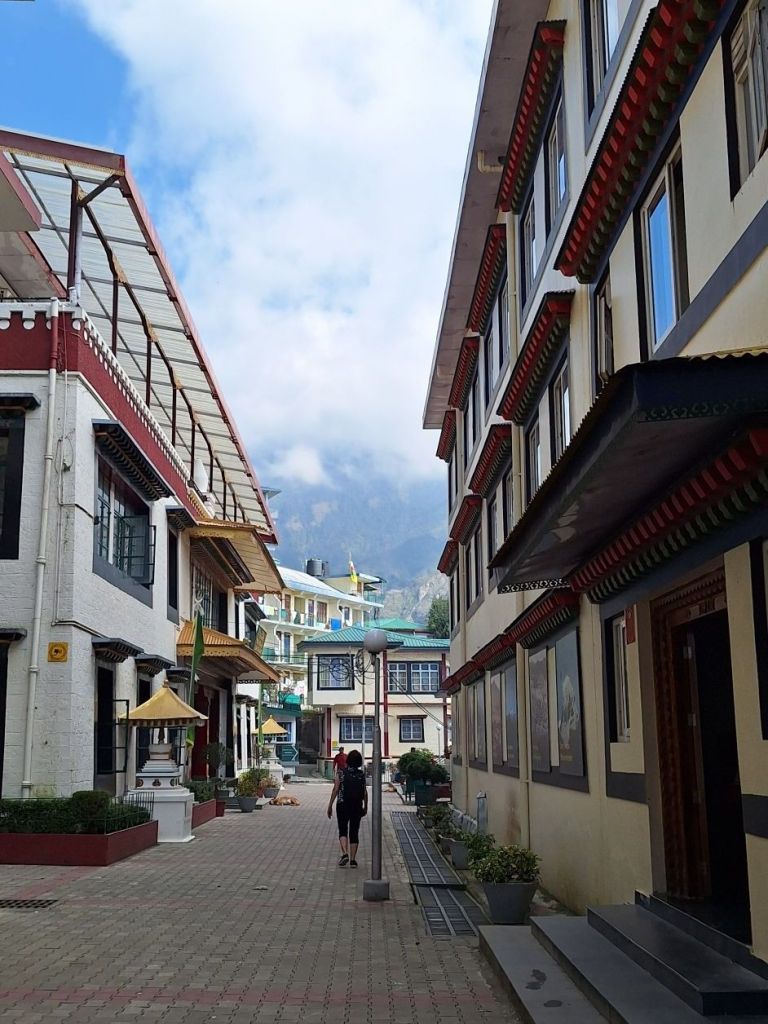
Here in Dharamshala/Mcleod Ganj I visited the Tibetan center: with the Tibetan Museum, Library, schools, administrative offices and institutions, even a retirement home, all situated on a “little” island on the hillside. Not far from the center is the Dalai Lama’s residence, temple and his own monastery, the Namgyal Monastery.
It was deeply thought-provoking to witness and bear testimony to living history and Tibetan culture.
 BecomingBeyond
Leave a comment