
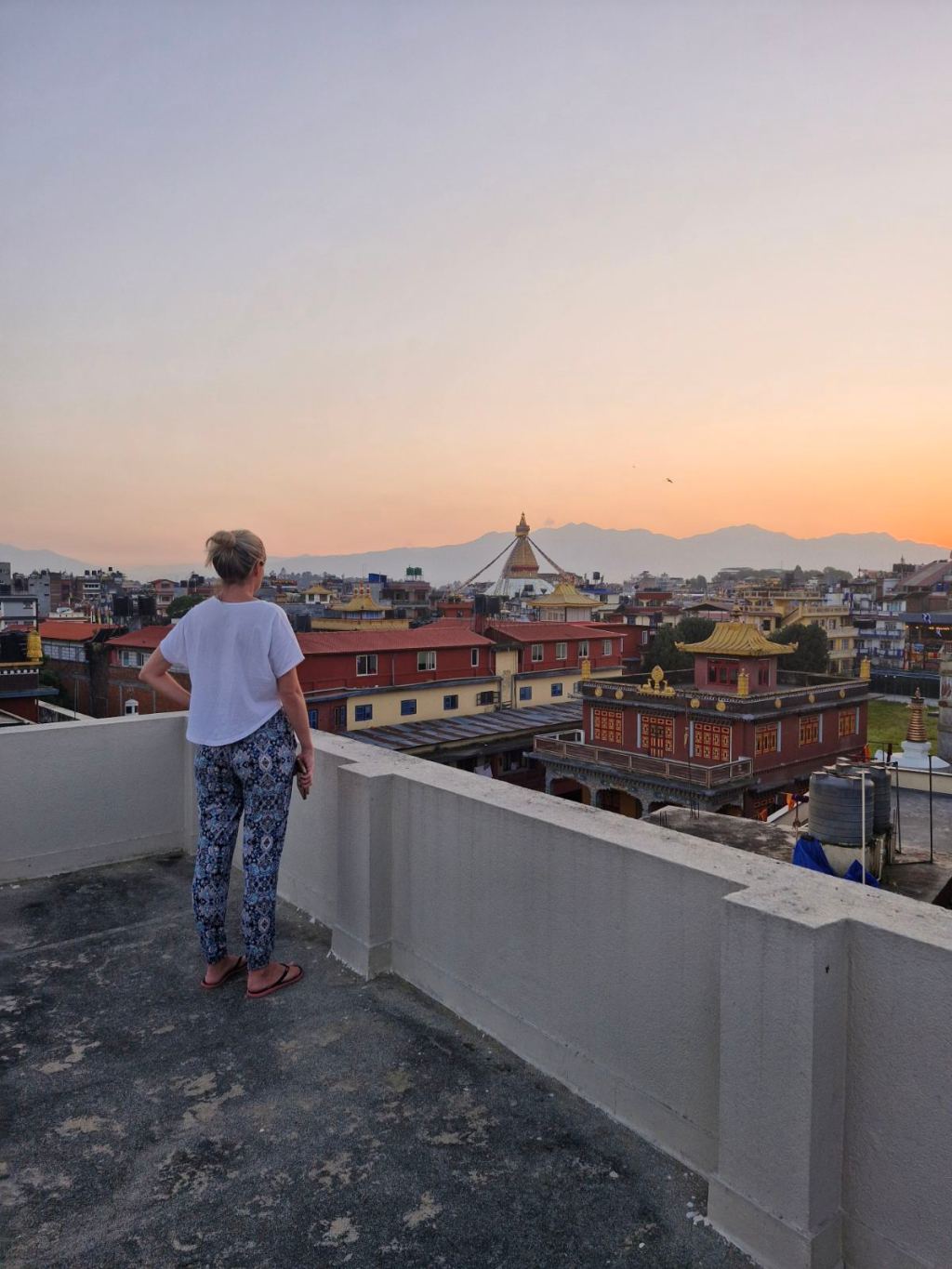
For weeks now we’ve been surrounded by Tibetans and living within Tibetan culture. Alongside many personal stories of Tibetans, Tibetan Buddhism and wisdom tradition have also had an impact on us. Not so much the religious side of Buddhism, the dogmas or deities but rather the wisdom tradition as a worldview and attitude towards life.
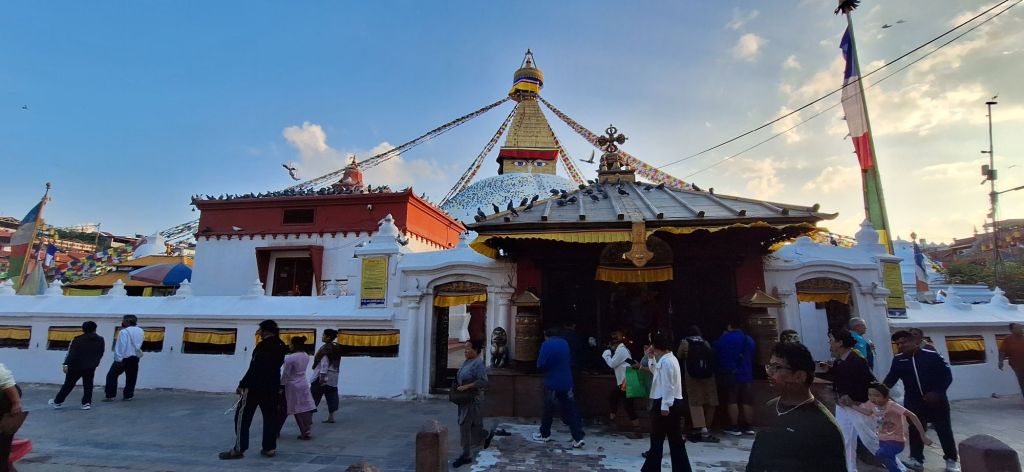
Especially as people of today’s world, Buddhist practice offers many tools and techniques: everything exists in our minds. How can we turn inward, connect with ourselves: especially in a world where everything is about appearances? How can we find our way back to ourselves?
“Why is Happiness so hard to find? – the student asked.
Because you look for it in the future instead of the present. – the Master replied.”
This is a very striking quote I read recently. Our minds race with so many things, always thinking about something that needs solving. If not from our own lives then from someone else’s. Yet we can control our minds. Cultivation of the mind is a practice that must be exercised over time. Through meditation, breathing techniques, mantras, malas…etc. Buddhism uses many tools for this. A free mind leads to a free life! We can also let go of attachments, the things that hold us back.
I deeply relate to all of this: I’ve seen it, lived it, tried it and it has helped me too to establish a more focused connection with myself!
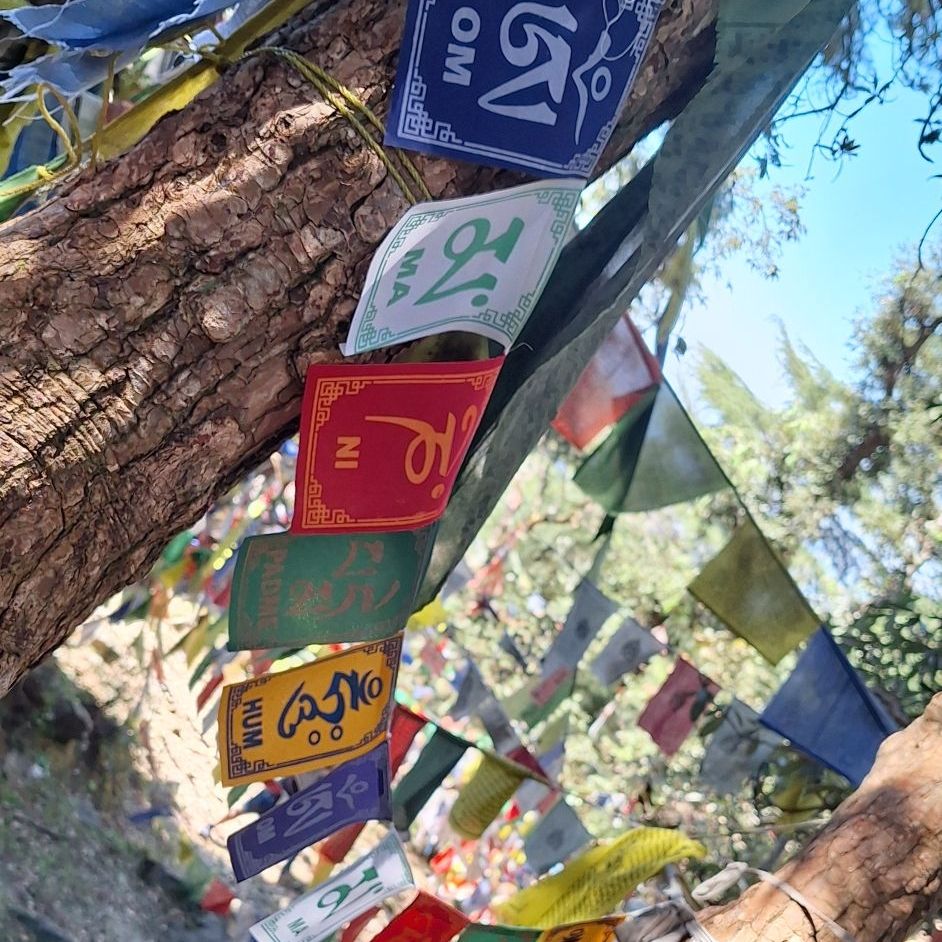
One of the most commonly used mantras is Om Mani Padme Hum. Mala beads contain 108 beads, each bead representing a mantra so it could be one Om Mani Padme Hum.
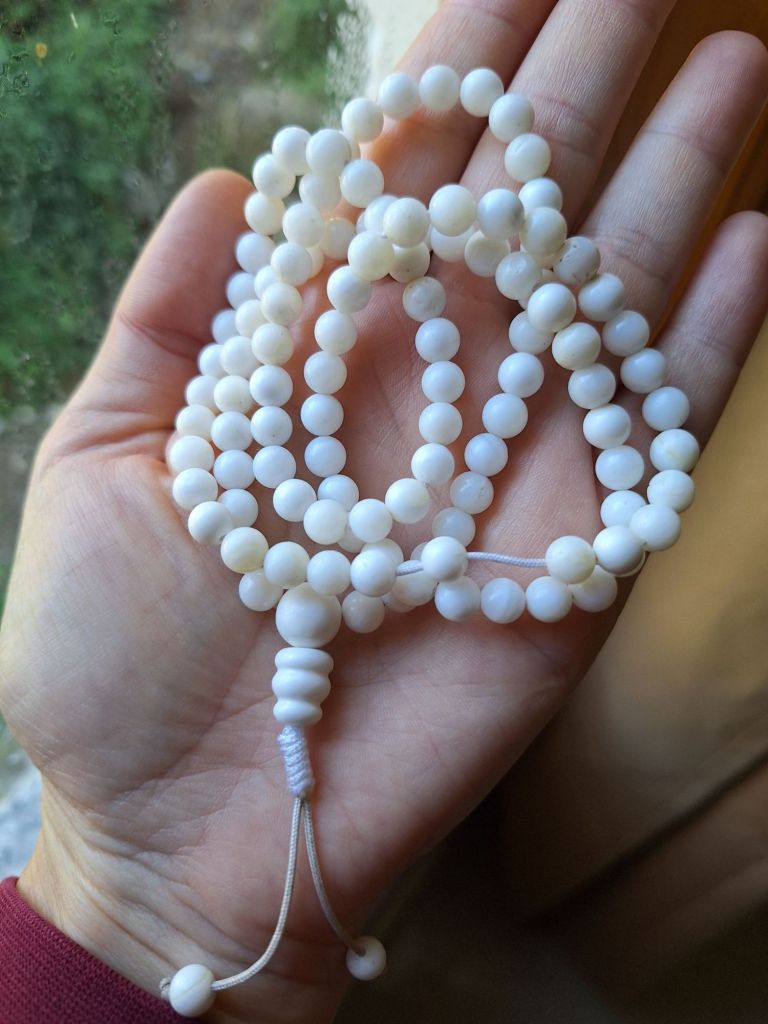
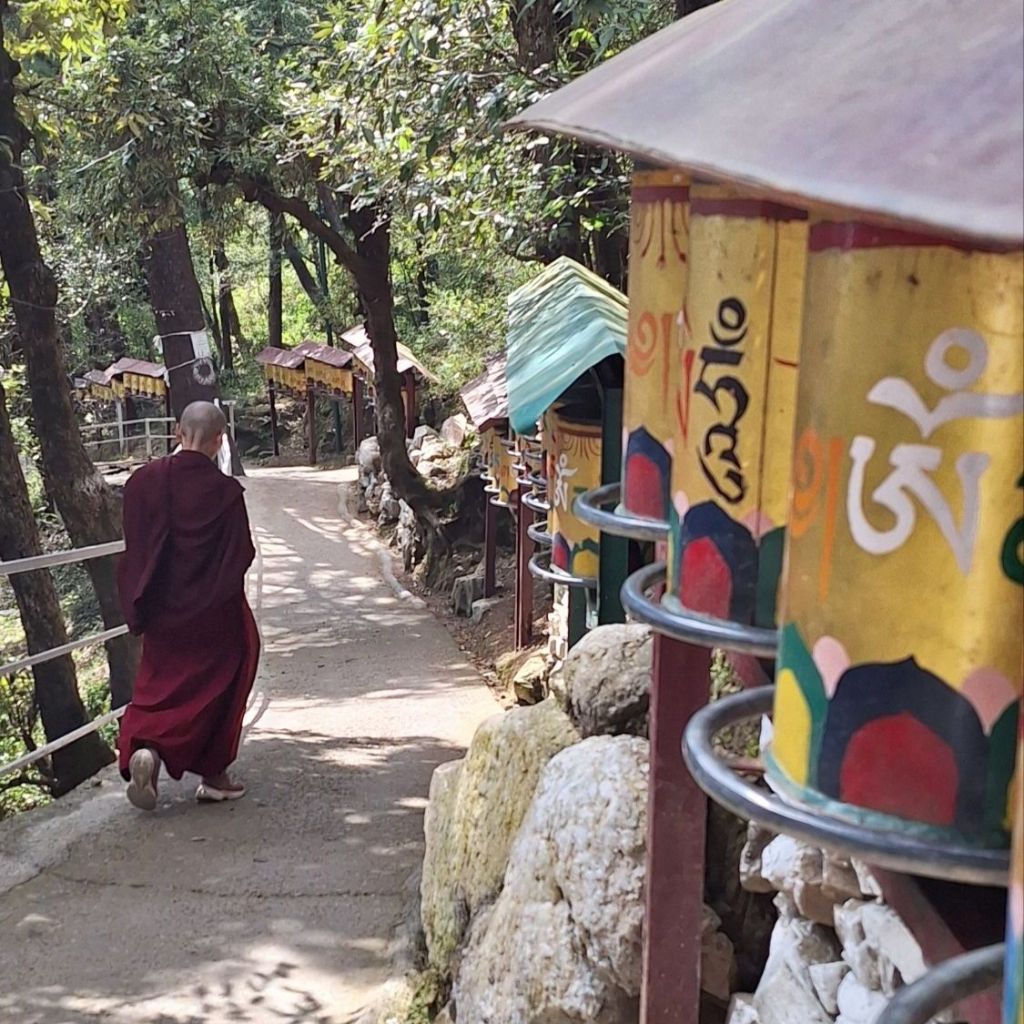
Temples, stupas and sacred sites are surrounded by prayer wheels. These cylindrical forms also contain mantras and prayers. A larger prayer wheel should be walked around and spun three times in honor of the present, the past and the future.
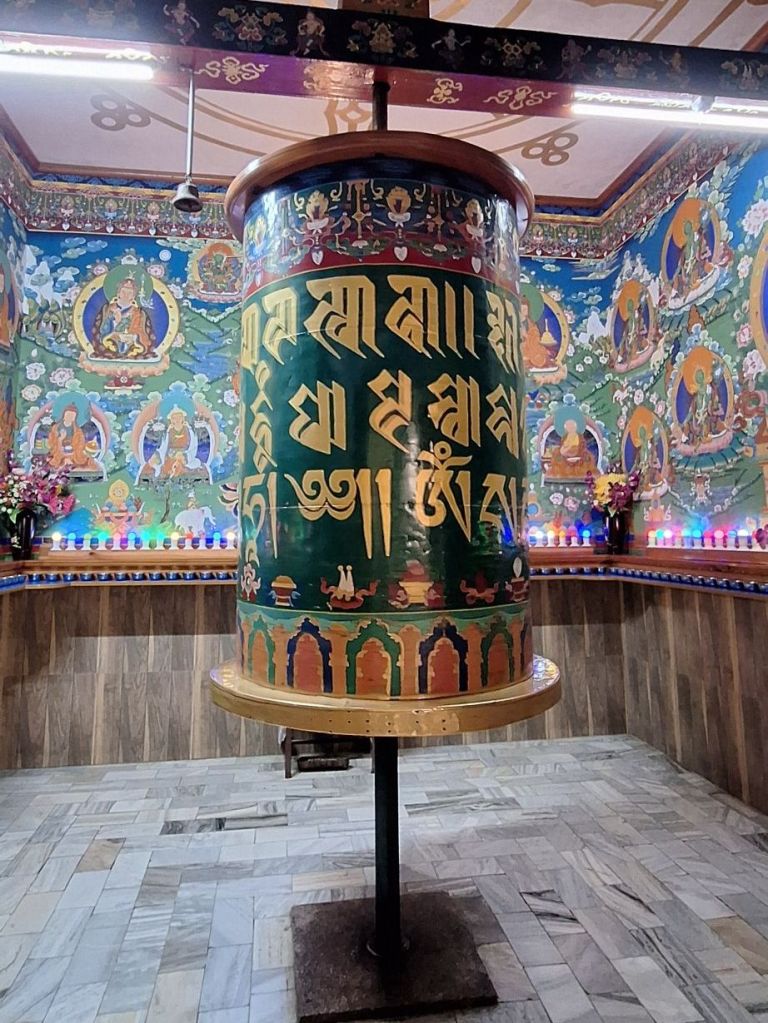
Kora is the act of walking clockwise around a sacred site, while reciting mantras, using malas and/or turning the prayer wheels.
Tibetan culture is fundamentally built on its belief system and the customs connected to it: you could say it’s what keeps it alive. The number of monasteries and monks is countless so the related teachings and practices are deeply embedded in the culture.
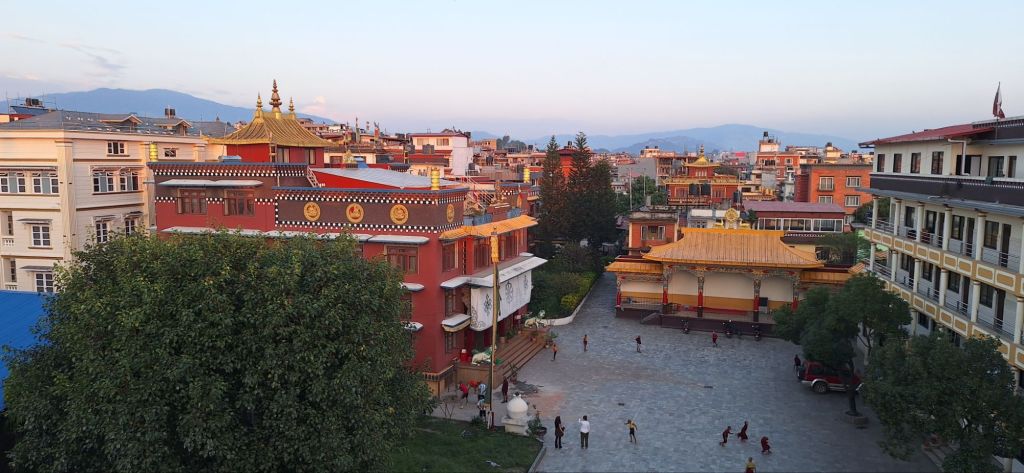
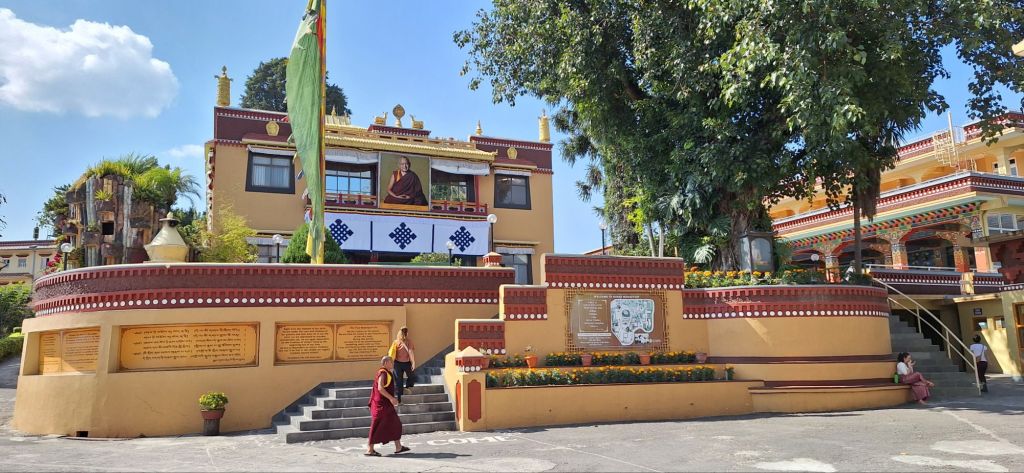
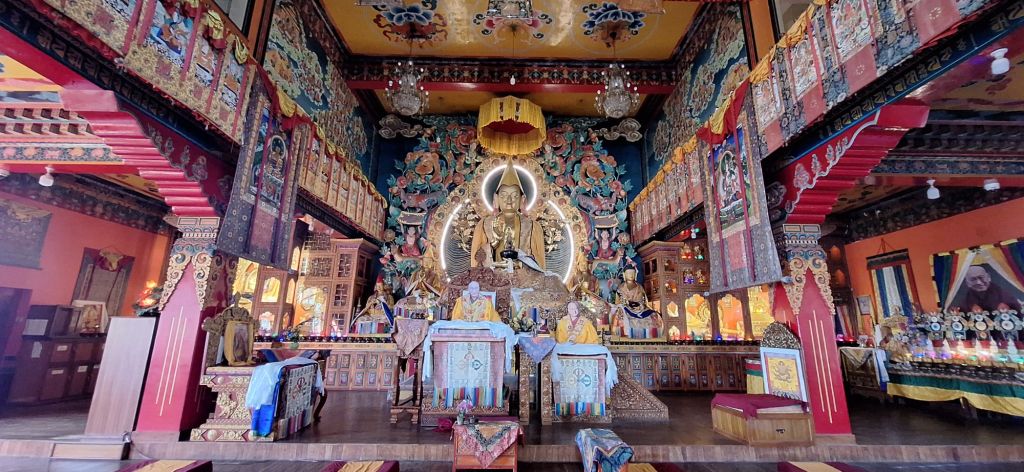
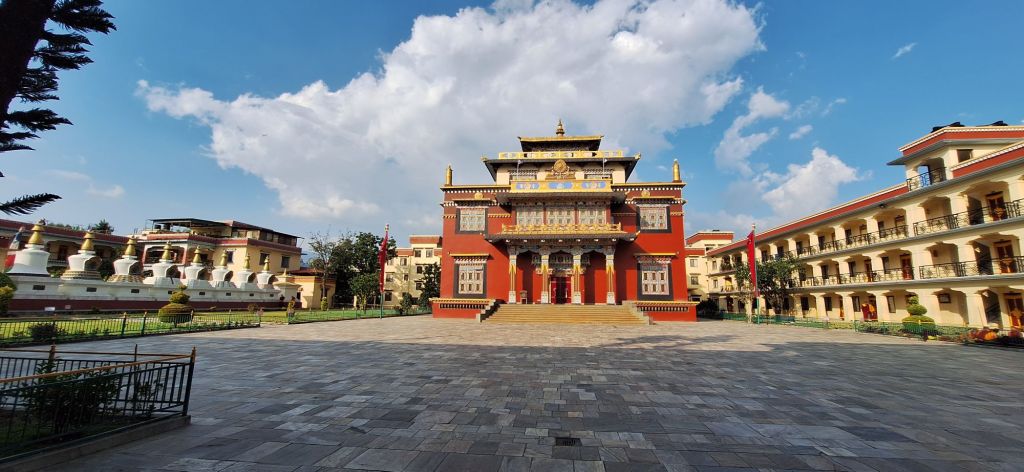
And His Holiness The Dalai Lama represents this rich culture for both occupied Tibetans living on home ground and all Tibetans in exile all over the world!
I’m grateful to have had a personal glimpse into all of this. A true pilgrimage! 🙏🙏💫
 BecomingBeyond
Leave a comment